
 Share on Facebook
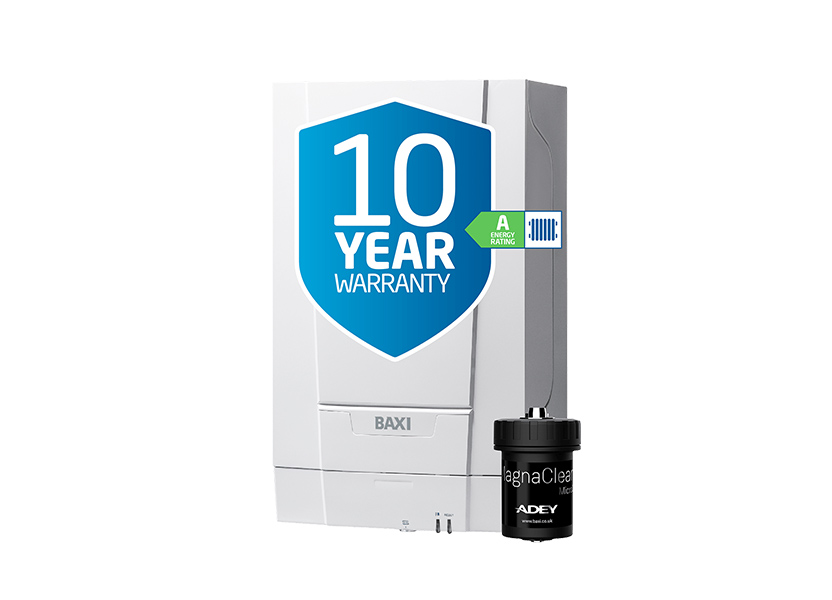
As the days get shorter and temperatures drop across Dundee, the last thing you want is for your boiler to break down on the coldest night of the year. Taking a few simple steps now to prepare your heating system for winter can prevent emergency call-outs, reduce energy bills, and ensure your home stays warm and comfortable throughout the season.
Book Your Annual Boiler Service
The most important step
If you haven't had your boiler serviced in the last 12 months, now is the time to book. An annual service by a Gas Safe registered engineer is essential for safety, efficiency, and reliability. During a service, we'll check all components, clean the system, identify potential issues before they become problems, and ensure your boiler is running at peak efficiency.
Regular servicing can extend your boiler's lifespan by several years and is often a requirement to keep manufacturer warranties valid. Don't wait until the first cold snap – book your service in early autumn when engineers are less busy.
Test Your Heating System
Check everything works
Before you actually need your heating, turn it on for 15-20 minutes to make sure everything is working properly. Check that:
- The boiler fires up without issues
- All radiators heat up evenly
- Hot water is produced quickly
- The thermostat responds correctly
- There are no unusual noises or smells
If you notice any problems, it's much easier (and cheaper) to address them now rather than during a winter emergency.
Bleed Your Radiators
Improve efficiency
If you notice cold spots at the top of your radiators or hear gurgling noises, air has likely become trapped in the system. Bleeding your radiators is a simple task that releases this trapped air, allowing hot water to circulate properly.
You'll need a radiator key (available from hardware shops) and a cloth. Simply turn off your heating, insert the key into the valve at the top of the radiator, and turn anti-clockwise until you hear hissing. Once water starts dripping out, close the valve. Remember to check your boiler pressure afterwards and top up if needed.
Check and Adjust Your Thermostat
Optimise comfort and costs
Test your thermostat to ensure it's working correctly and adjust settings for the colder months. The ideal temperature for most homes is around 18-21°C. Consider:
- Programming different temperatures for different times of day
- Lowering the temperature at night or when you're out
- Installing a smart thermostat for better control
Even reducing your thermostat by just one degree can save around 10% on your heating bills.
Insulate and Protect
Prevent frozen pipes
Check that your boiler's condensate pipe (the white plastic pipe that runs outside) is properly insulated. This pipe can freeze in very cold weather, causing your boiler to shut down. Pipe insulation is inexpensive and can prevent a common winter problem.
Also ensure any exposed pipes in unheated areas like lofts, garages, or cupboards are properly lagged.
Clear the Area Around Your Boiler
Safety and efficiency
Make sure the area around your boiler is clear of clutter, boxes, or any flammable materials. Good ventilation is essential for safe operation, and you want clear access in case an engineer needs to attend.
If your boiler is in a cupboard, check that vents aren't blocked and the door closes properly.
Know What to Do in an Emergency
Be prepared
Make sure you know:
- Where your gas shut-off valve is located
- How to top up boiler pressure
- Your boiler's make and model
- Who to call for emergency repairs
Consider a Boiler Care Plan
For complete peace of mind, consider one of our boiler care plans. You'll get your annual service included, priority emergency call-outs, and exclusive discounts on any repairs needed. It's the hassle-free way to keep your heating system in top condition.
Don't wait for winter to arrive – prepare your boiler now and enjoy a warm, worry-free season.


.jpg)